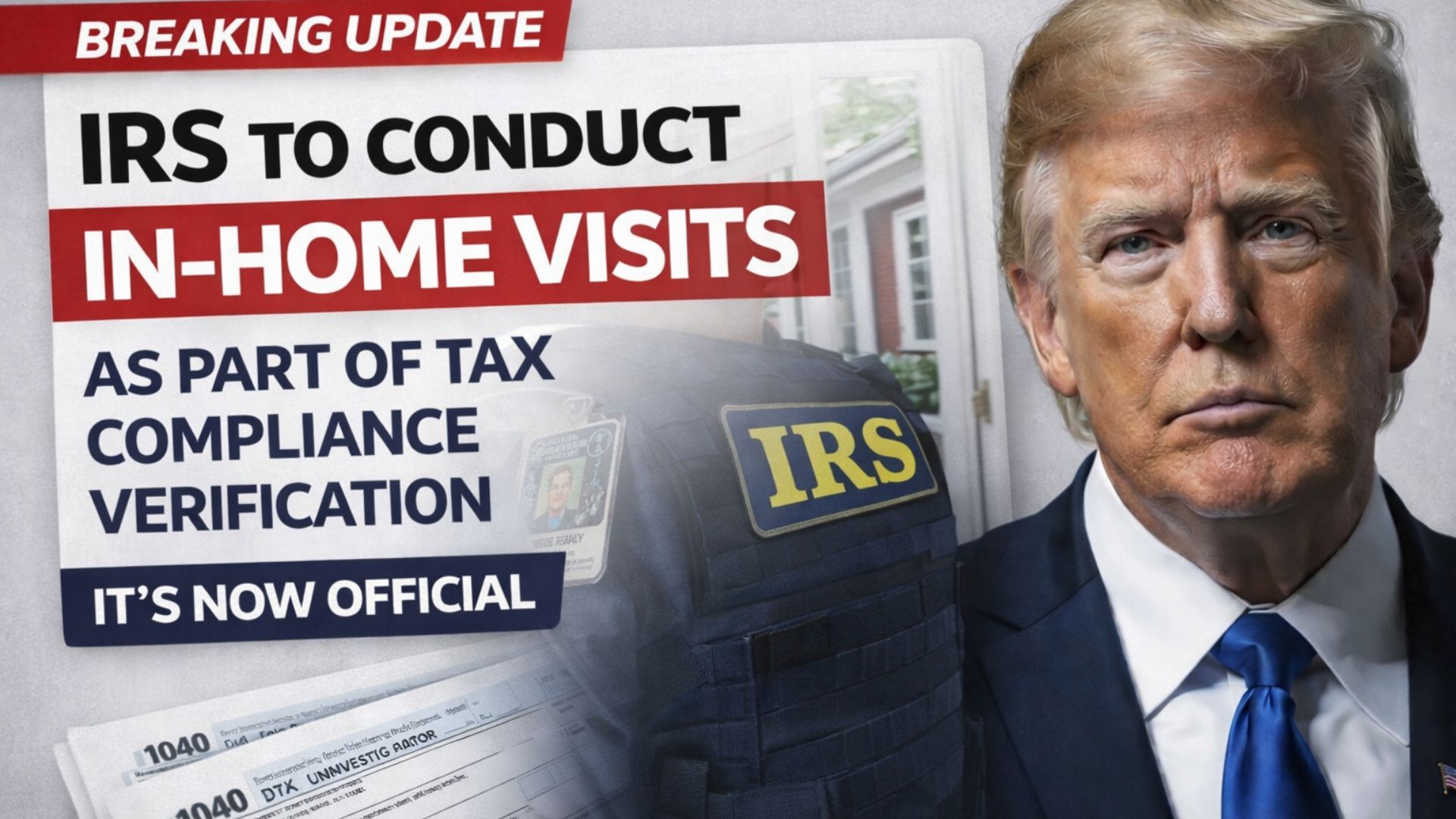
In recent weeks, many Americans have been surprised by reports suggesting that IRS officials may visit taxpayers at their homes. This has caused concern and confusion, especially among people already dealing with tax payments or unresolved filings. The IRS has clarified that home visits are a legitimate but limited part of its enforcement process and are not random or widespread.
Why the IRS Conducts Home Visits
The IRS does not send representatives to homes without reason. These visits usually happen when a taxpayer has significant unpaid taxes and has not responded to repeated attempts at contact through letters, emails, or phone calls. According to the agency, a home visit is considered a last step after other communication methods fail. The goal is to establish contact, verify information, and move toward resolving the issue.
Who Is Most Likely to Be Affected
Most salaried workers who file their taxes correctly and respond to IRS notices will never experience a home visit. These actions are generally limited to people or businesses with large unpaid balances, repeated non-filing problems, or long-standing unresolved cases. Small business owners, self-employed individuals, and those with complex income sources are more likely to face such situations because their tax filings are more detailed and sometimes harder to verify.

What Happens During a Home Visit
An IRS home visit is not a raid and does not involve forced entry. Revenue officers are civilian employees, not police officers. They are trained to discuss tax matters, explain outstanding balances, and outline options such as payment plans. Taxpayers are informed of their rights during these interactions, and no one is required to make immediate decisions without proper documentation.
Protecting Yourself From Scams
The IRS stresses that legitimate agents will always carry official identification and provide written notices explaining the purpose of the visit. They will never demand cash, gift cards, wire transfers, or cryptocurrency. Taxpayers can use the IRS Employee Verification Tool to confirm an agent’s identity. Any request for instant payment or threats of arrest are strong signs of a scam.
Why This Is Happening Now
After years of limited resources, the IRS is under pressure to improve tax collection, especially in cases involving large unpaid amounts. Similar enforcement efforts have followed past economic downturns. Current efforts are focused on unresolved cases rather than mass enforcement, and compliant taxpayers are not the target.
यह भी पढ़े:
 IRS Confirms $2,000 Direct Deposit for January 2026 : Know Your Payment Dates and Eligibility Guide
What Taxpayers Should Do
The most effective way to avoid escalation is to respond promptly to IRS notices. Keeping records organized and seeking professional tax advice when problems arise can prevent situations from reaching the point of a home visit. Ignoring official communication often leads to unnecessary complications.
Looking Ahead
The IRS is expected to continue expanding digital tools and clearer communication methods to reduce the need for in-person visits. For now, understanding why these visits happen and knowing your rights can help reduce fear and confusion.
Disclaimer:
This article is for informational and journalistic purposes only and does not provide legal or tax advice. IRS enforcement practices and tax laws may change, and individual circumstances vary. Readers should consult official IRS resources or qualified tax professionals for guidance specific to their situation.