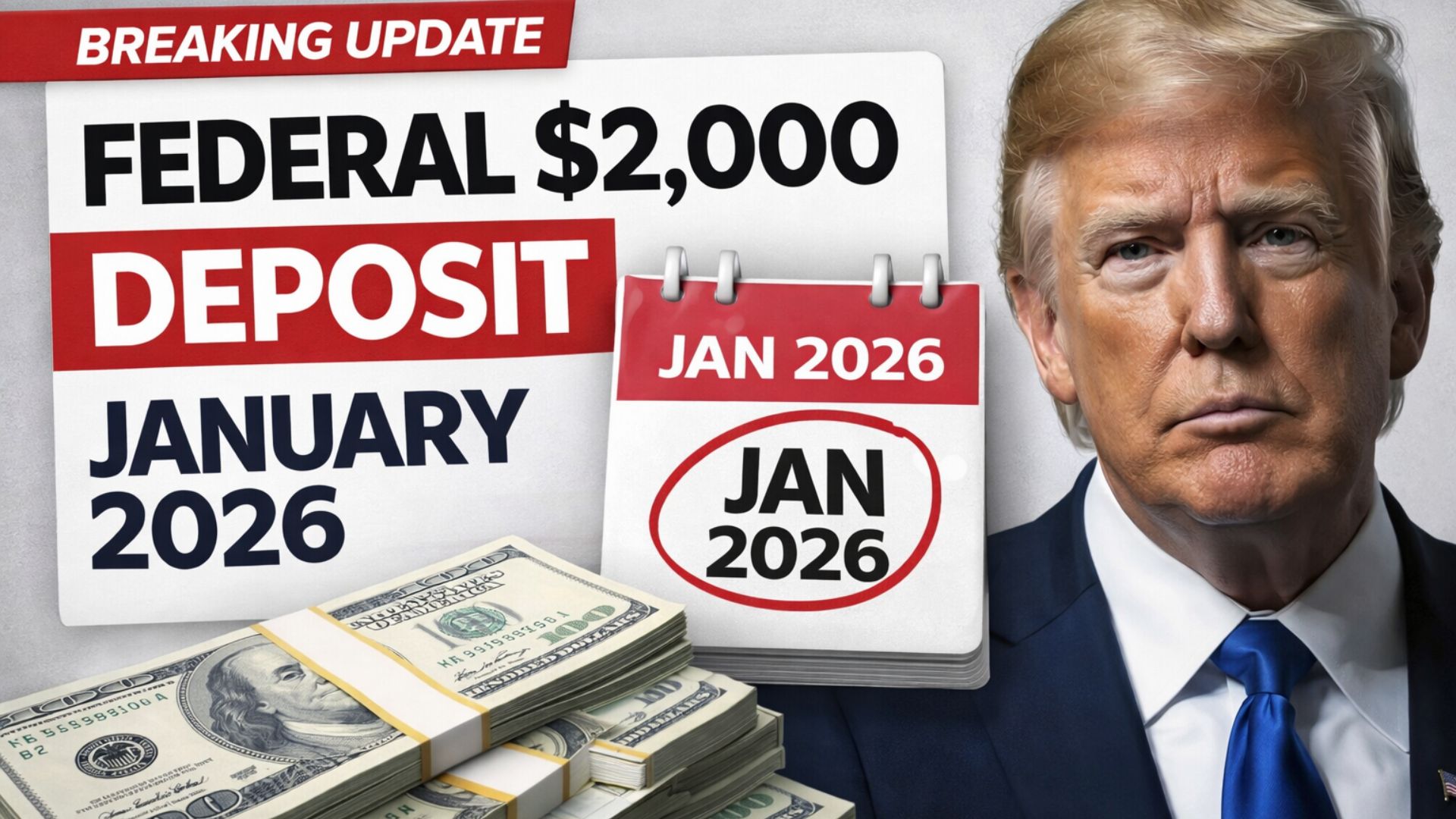
As January 2026 gets closer, discussions about a federal $2,000 deposit are once again spreading across the United States. These conversations appear everywhere, from social media posts and forwarded messages to casual talks at home. For many families facing high rent, medical expenses, and rising food prices, the idea of unexpected federal support feels comforting. Memories of pandemic-era stimulus checks have not faded, and financial pressure remains a daily reality for millions.
Why the $2,000 Deposit Rumor Keeps Returning
The number $2,000 has strong emotional meaning because it is closely linked to past stimulus payments. During the pandemic, federal deposits arrived quickly and helped households survive uncertain times. That experience reshaped expectations. Now, whenever economic stress increases, the same figure resurfaces, even without any official backing. Over time, repeated exposure makes the claim feel familiar and believable.
How Online Information Fuels Confusion
Social media plays a major role in keeping the rumor alive. Political discussions, opinion pieces, and incomplete policy ideas are often shared without context. As they spread, speculation turns into certainty. Headlines promise “confirmed payments,” while important details disappear. Algorithms favor emotional and hopeful content, allowing misinformation to travel faster than verified facts.

What Official Agencies Are Saying
Despite widespread claims, no federal agency has announced a universal $2,000 payment for January 2026. The IRS, U.S. Treasury, and Social Security Administration have not confirmed any such program. Congress has not passed legislation to approve it, and no funding has been allocated. Large federal payments do not happen quietly. They require public debate, formal approval, and clear communication.
Why Some People See Deposits Near $2,000
Part of the confusion comes from timing. Early 2026 is a busy period for legitimate federal payments. Tax refunds are the most common example. Refundable credits, such as those for working families with dependents, can result in deposits close to $2,000. These payments are routine, not new relief, but they are often labeled simply as “US Treasury,” which leads to misunderstanding.
In addition, delayed refunds, amended tax returns, or benefit corrections from previous years can arrive unexpectedly. When someone already expects a federal payment, a personal deposit can feel like proof of a nationwide program.
यह भी पढ़े:
 IRS Confirms $2,000 Direct Deposit for January 2026 : Know Your Payment Dates and Eligibility Guide
Targeted Payments Add to Misinterpretation
Some federal payments are real but limited to specific groups, such as veterans, military families, or certain federal employees. Online posts often remove eligibility details and focus only on the dollar amount. This creates the false belief that everyone qualifies.
Risks of Believing the Rumor
Persistent rumors also attract scams. Fake messages claiming to help “unlock” the $2,000 deposit are already circulating. These often ask for personal information or fees. Believing unverified claims can lead to financial loss and stress.
The Best Way to Stay Informed
If real federal relief were approved, it would be publicly announced with clear rules and timelines. Until then, relying on official government sources and treating viral claims with caution is the safest approach.

Disclaimer:
This article is for informational and journalistic purposes only. It does not provide financial, tax, or legal advice. Government policies, benefit programs, and payment schedules may change. Readers should verify information through official federal agency websites or consult qualified professionals for guidance specific to their circumstances.